
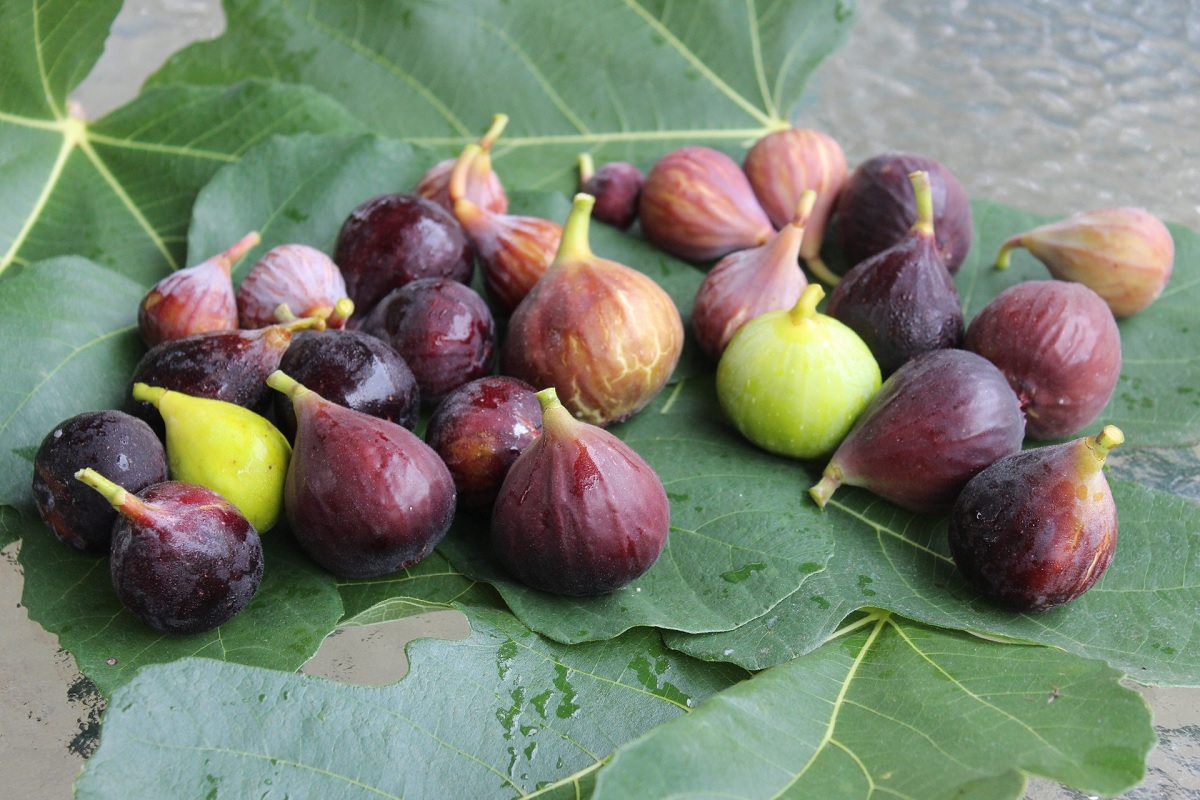
Fig trees have a unique ability to thrive in containers, and combined with their attractive foliage and delicious fruit, make them a practical and rewarding option. Restricting their roots in pots not only controls their growth but also enhances fruit production, a trait that sets figs apart from many other fruit trees. This article explores six outstanding fig varieties ideal for container gardening, offering practical guidance for selecting, planting, and maintaining these trees to ensure a bountiful harvest. A nursery specialist from ChrisBowers, a leading supplier of fruit trees for sale, advises: “Figs for sale are uniquely suited to container growing, as root restriction encourages heavier cropping. For the best results, choose a dwarf or compact variety and plant in a loam-based compost like John Innes No. 2 to support healthy growth and fruiting.
Why Figs Excel in Containers
Fig trees (Ficus carica) are naturally vigorous, with roots that can spread widely when planted in the ground, sometimes becoming invasive. However, when grown in containers, their root systems are confined, which limits excessive vegetative growth and channels energy into fruit production. This makes them particularly suitable for patios or small urban gardens where space is at a premium. Additionally, container-grown figs can be moved to sheltered locations during harsh British winters, protecting them from frost and extending their growing season. Their large, lobed leaves add an ornamental quality, bringing a Mediterranean aesthetic to any outdoor space.
Another advantage is the ease of pest management. Figs grown close to the home are simpler to monitor and protect from birds or insects compared to those in open ground. The ability to control soil conditions, watering, and feeding in pots also ensures optimal growth. For gardeners looking to purchase fruit trees for sale, figs offer a low-maintenance option that delivers both aesthetic and culinary rewards.
Selecting the Right Fig Varieties
Choosing the appropriate fig variety is critical for successful container gardening. The six varieties discussed below have been selected for their compact growth, reliable fruiting, and adaptability to the British climate. Each is self-fertile, meaning they do not require a second tree for pollination, and they are well-suited to the root restriction inherent in container growing.
Brown Turkey
Brown Turkey is the most widely grown fig variety in the UK, valued for its reliability and prolific fruiting. This variety produces medium-sized, purple-brown figs with sweet, juicy flesh, ripening from August to September. Its compact growth habit makes it ideal for containers, typically reaching 1.5 to 2 metres in height when potted. Brown Turkey is hardy and well-adapted to cooler climates, though it benefits from a sunny, sheltered position. Regular pruning keeps its size manageable, and its fruits are excellent for fresh eating or drying.
Little Miss Figgy
Little Miss Figgy is a dwarf cultivar, perfect for small patios or balconies. Growing to just 1.2 to 2.4 metres, it produces an abundance of dark purple figs with rich, sweet flavour, often yielding both a breba (early) crop and a main crop in warmer years. Its compact size requires minimal pruning, making it a low-maintenance choice for beginners. The broad, glossy leaves add ornamental appeal, and its pest and disease resistance further enhances its suitability for container gardening.
Celeste
Celeste, sometimes called the “sugar fig,” is renowned for its exceptionally sweet, small to medium-sized fruits with a violet hue. This dwarf variety grows to about 1.5 to 2 metres in a container, making it ideal for small spaces. Celeste is heat-tolerant and resistant to pests, which simplifies care. Its fruits ripen in late summer and are perfect for fresh consumption or preserves. In colder regions, moving the pot indoors during winter ensures the tree’s longevity.
Chicago Hardy
Chicago Hardy is a robust option for gardeners in cooler parts of the UK. Capable of withstanding temperatures as low as -10°C when protected, it produces medium-sized, dark purple figs with a sweet, rich taste. In containers, it reaches 1.8 to 2.5 metres and fruits reliably from August to October. Its hardiness and heavy cropping make it a favourite for those seeking a resilient variety. Regular watering and occasional pruning maintain its shape and productivity.
White Marseilles
White Marseilles offers a contrast to darker-fruited varieties, producing pale green to yellowish figs with a sweet, mild flavour. Growing to around 1.5 to 2 metres in a pot, it is well-suited to container gardening and thrives in sunny positions. This variety is less common but highly valued for its early ripening, often producing fruit from July onwards. Its attractive foliage and consistent yields make it a worthy addition to any patio.
Violette de Bordeaux
Violette de Bordeaux is a compact, semi-dwarf variety, reaching 1.5 to 2.4 metres in height. It bears small, dark purple figs with a deep, rich flavour, often considered one of the finest for taste. This variety can produce two crops per season in optimal conditions, with fruits ripening from late summer to early autumn. Its manageable size and ornamental leaves make it a striking choice for container gardeners seeking both beauty and bounty.
Planting and Pot Selection
Successful container gardening begins with choosing the right pot and planting medium. A container with a minimum diameter of 45 cm (18 inches) is recommended for young fig trees, with larger pots of 50 to 60 cm (20 to 24 inches) for mature trees. Plastic pots are lightweight and cost-effective, retaining moisture better than porous materials like terracotta, which can dry out quickly. Ensure the pot has ample drainage holes to prevent waterlogging, as figs dislike soggy roots. For mobility, especially in colder climates, consider pots with wheels or a plant trolley to facilitate moving the tree indoors during winter.
Use a loam-based compost, such as John Innes No. 2, for optimal drainage and nutrient retention. Avoid peat-based composts, as they can compact over time, restricting root growth. When planting, place the tree at the same depth as it was in its nursery pot, gently teasing out the roots to encourage establishment. Add a layer of mulch, such as well-rotted manure or garden compost, to conserve moisture, leaving a small gap around the trunk to prevent rot.
Care and Maintenance
Figs in containers require consistent care to thrive. Water regularly during spring and summer, ensuring the soil remains moist but not waterlogged. Check the top 5 cm of soil with your finger; if it feels dry, water thoroughly until excess drains from the pot. In winter, reduce watering to once every three to four weeks, especially if the tree is moved to an unheated garage or shed for protection.
Fertilisation is essential, as container-grown figs rely on the gardener for nutrients. Apply a slow-release, high-phosphorus fertiliser, such as bone meal, in early spring and mid-summer to promote fruiting. Avoid high-nitrogen fertilisers, which encourage leafy growth at the expense of fruit. Regular feeding with a liquid seaweed extract can also boost tree health and yield.
Pruning is minimal for dwarf fig varieties but necessary to maintain size and shape. In late winter, remove any dead, damaged, or crossing branches (the “4Ds”). In mid-summer, trim back leggy growth, leaving five or six leaves per branch to encourage fruiting. For unripened fruit in autumn, remove any figs larger than a pea, as they are unlikely to ripen and may sap the tree’s energy.
Protecting Figs in Winter
In the UK, winter protection is crucial, particularly for figs in containers, as their roots are more exposed than those in the ground. If temperatures drop below -5°C, move potted figs to a sheltered location, such as an unheated garage, shed, or greenhouse. Alternatively, wrap the pot in bubble wrap or hessian to insulate the roots, and cover the tree with horticultural fleece if frost is forecast. In milder regions, a sunny, south-facing wall can provide sufficient warmth, but ensure the pot is raised on bricks to improve drainage and prevent waterlogging.
Pest and Disease Management
Figs are relatively pest-resistant, but vigilance is necessary. Birds are the primary threat, attracted to ripening fruit. Netting the tree or using bird scarers can deter them, and growing figs close to the home makes monitoring easier. Aphids or red spider mites may occasionally appear, particularly in hot, dry conditions. A strong jet of water or insecticidal soap can control these pests without harming the tree.
The most common disease affecting figs is root rot, caused by overwatering or poor drainage. Ensure the pot has adequate drainage holes and avoid letting it sit in a water-filled tray. Peach leaf curl, a disease more common in peaches and nectarines, does not affect figs, but gardeners growing multiple fruit trees for sale should be aware of cross-contamination risks from shared tools or compost.
Harvesting and Enjoying Figs
Figs are ready to harvest when they soften, develop a rich colour (specific to the variety), and hang slightly from the branch. Unlike some fruits, figs do not ripen further once picked, so timing is critical. Use scissors or secateurs to cut the fruit from the tree to avoid damaging the stem. Fresh figs are delicious eaten straight from the tree, added to salads, or used in desserts like tarts and jams. They can also be dried for longer storage, preserving their sweetness for year-round enjoyment.
Expanding Your Patio Orchard
Once you’ve mastered growing figs in containers, consider expanding your patio orchard with other fruit trees for sale, such as dwarf apples, pears, or plums. These trees, grafted onto dwarfing rootstocks like M27 for apples or Pixy for plums, are also well-suited to pots and complement the ornamental and productive qualities of figs. Blueberries, raspberries, or strawberries can be grown in smaller containers or as underplantings, maximising space and yield.
Sourcing Quality Fig Trees
Purchasing from reputable nurseries ensures healthy, disease-free stock. Specialist suppliers, such as those offering fruit trees for sale online, provide a wider selection of varieties and rootstocks compared to local garden centres. Look for trees labelled as grafted onto dwarfing rootstocks or described as “patio” or “compact” to ensure they suit container growing. Bare-root trees, available from autumn to early spring, are often more cost-effective and establish well when planted promptly.
Long-Term Success with Figs
With proper care, container-grown figs can thrive for many years, producing increasing yields as they mature. Every four to five years, consider root pruning to refresh the tree. Slide the root ball out of the pot, trim back about a third of the roots, and repot with fresh compost. This process stimulates growth and enhances fruit production, keeping the tree vigorous. Regular maintenance, combined with the right variety and growing conditions, ensures a rewarding harvest season after season.
In conclusion, figs are an ideal choice for British gardeners looking to grow fruit in containers. Their adaptability, low maintenance, and delicious fruit make them a standout option for patios and small spaces. By selecting varieties like Brown Turkey, Little Miss Figgy, Celeste, Chicago Hardy, White Marseilles, or Violette de Bordeaux, and following straightforward care practices, anyone can enjoy the satisfaction of home-grown figs. Whether you’re a novice or experienced gardener, these six varieties offer a practical and fruitful addition to your outdoor space, proving that even the smallest garden can yield a bountiful harvest.
