
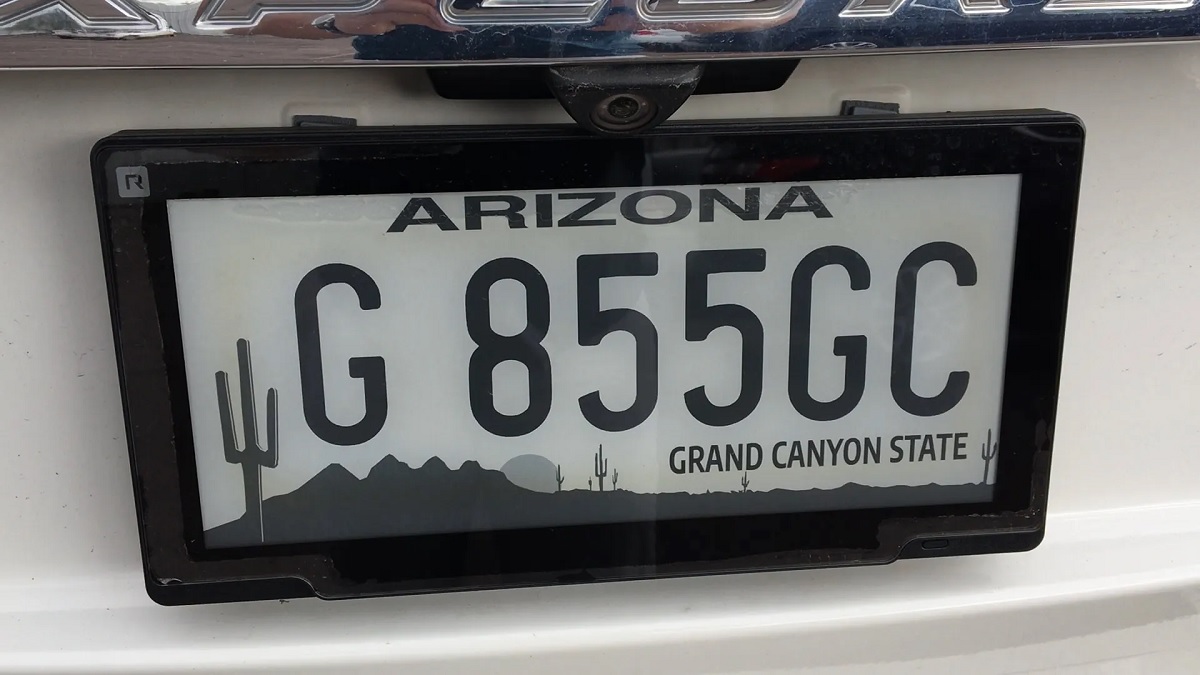
Collectors rarely judge a license plate by age alone. Small design details, subtle changes in materials, and even the spacing of characters can quickly reveal when a plate was produced. In Arizona, where plate designs have evolved steadily over decades, experienced collectors can often estimate a plate’s era within seconds.
For enthusiasts and casual observers alike, recognizing these details offers insight into how vehicle registration systems have changed alongside technology, security needs, and state branding. It also explains why some plates gain collector value while others remain common.
Although many drivers simply see them as identification markers, Arizona license plates reflect a long history of design decisions, manufacturing techniques, and policy changes. Certain features signal their age immediately, especially to collectors who track these developments closely.
A specialist at ShopLicensePlates notes that many collectors focus on design transitions rather than the printed year alone. According to the expert, small production changes—such as reflective coatings or alterations in serial formatting—often reveal more about a plate’s era than the registration date. The specialist explains that collectors frequently compare details across archived examples of Arizona license plates to identify which versions appeared during specific manufacturing periods and how quickly they were replaced.
Understanding the signs that date a plate can help collectors evaluate authenticity, estimate rarity, and avoid misidentified pieces. Five particular features tend to stand out as the fastest indicators of when an Arizona plate was made.
Typography and Character Spacing
One of the quickest ways collectors date a license plate is by studying its typography. Fonts may appear subtle to casual observers, but state motor vehicle departments periodically revise them to improve readability or adapt to new manufacturing processes.
Arizona has changed character styles several times. Earlier plates used simpler, block-style lettering that was easier to stamp into metal blanks using older equipment. Later designs introduced more uniform spacing and smoother edges as modern stamping methods allowed for greater precision.
Collectors often recognize specific decades by the shape of certain characters. For instance, the number “1” might appear with or without a base serif depending on the production period. The “0” may look rounder or more oval-shaped in different runs. Even the width of letters like “A” or “M” can hint at the manufacturing era.
Spacing is another major clue. Older plates frequently show wider gaps between characters because early stamping dies required more clearance. As manufacturing technology improved, states tightened the spacing to fit longer serial combinations within the same plate dimensions.
In Arizona, these changes also reflected registration growth. As vehicle ownership expanded in the late twentieth century, the state needed more possible serial combinations. Adjusting font width and spacing allowed additional letters or numbers without redesigning the entire plate.
Collectors examine these details carefully because typography tends to remain consistent within a production cycle. When a font change appears, it usually signals a new generation of plates. That makes letter shape one of the fastest ways to narrow down a plate’s approximate age.
Reflective Coatings and Material Changes
Material composition is another strong indicator of when a plate was produced. Early license plates across the United States were often painted metal with no reflective properties. Visibility relied on headlights illuminating the plate directly.
Beginning in the mid-twentieth century, many states adopted reflective sheeting to improve nighttime visibility. Arizona followed this trend, gradually replacing painted surfaces with reflective backgrounds that bounce light back toward drivers.
Collectors often spot the difference immediately. Painted plates tend to have a matte appearance and may show brush-like texture under close inspection. Reflective plates appear brighter and often contain a slightly grainy or prismatic surface due to embedded reflective particles.
Material weight can also provide clues. Earlier plates were sometimes made from thicker aluminum or steel. Later manufacturing methods reduced weight while maintaining durability, resulting in thinner metal blanks.
Another shift occurred when reflective sheeting was laminated rather than painted onto the plate. This method allowed more detailed graphics but also created distinctive aging patterns. Over time, laminated surfaces may crack or peel in ways older painted plates do not.
Collectors use these aging patterns as dating tools. A plate with peeling reflective film likely belongs to a certain era when laminated coatings were first introduced. Conversely, a fully painted plate suggests an earlier period.
These manufacturing differences matter because they affect preservation. Reflective coatings can fade under prolonged sunlight, while older painted plates may chip instead. Observing how a plate has aged often reveals which production method was used and therefore when it likely originated.
Graphic Design Trends and State Branding
License plates often reflect how a state chooses to present itself visually. Over time, Arizona has experimented with various design themes, colors, and imagery. These aesthetic decisions create distinct eras that collectors recognize quickly.
Early plates emphasized simple color contrasts designed for visibility rather than decoration. Solid backgrounds with stamped lettering dominated the design. As printing techniques improved, more elaborate graphics became possible.
By the late twentieth century, many states—including Arizona—began incorporating scenic elements and symbolic imagery. Desert landscapes, sunsets, and stylized typography became common design elements intended to promote regional identity.
Collectors pay attention to these graphic transitions because they typically coincide with official redesigns announced by the state. When a new design is introduced, older versions gradually disappear as vehicles renew registrations.
Color palettes are particularly useful for dating plates. Some decades favored darker backgrounds with bright lettering, while later designs reversed the contrast or added gradients. Even small adjustments in color saturation can reveal whether a plate belongs to an earlier production run or a newer replacement series.
Graphic complexity also reflects printing technology. Earlier plates relied almost entirely on embossed metal. Later designs combined embossing with printed graphics layered beneath reflective coatings.
These differences create recognizable visual signatures. Experienced collectors often identify the decade of a plate simply by glancing at its color scheme and artwork style.
Serial Formats and Registration Expansion
Another major clue lies in the structure of the serial number itself. Every state develops formatting systems to track registrations, and these systems evolve as the number of vehicles grows.
Arizona has used several serial patterns over the years, including combinations of letters and numbers arranged in different sequences. A collector familiar with these patterns can quickly estimate when a particular format was issued.
For example, an early series might consist entirely of numbers. As registrations increase, letters are added to expand the available combinations. Later revisions may rearrange the sequence again, such as moving letters to the beginning or inserting additional characters.
These transitions are usually documented in state registration records, allowing collectors to match serial formats to approximate production years. When a new format appears, it typically signals that the previous numbering system had reached its capacity.
Another element collectors examine is the presence of prefixes or suffixes. Certain special series were introduced for particular vehicle types or administrative categories. Over time, these markers can become identifiers of specific periods.
Spacing and dash placement can also change. Some formats include hyphens or gaps separating letter groups from numbers, while others remove these features for a more compact design.
These small details matter because serial formats are rarely reused. Once a new pattern replaces the old one, earlier versions immediately become historical markers. For collectors, recognizing the structure of a plate’s serial code often provides one of the quickest ways to place it within Arizona’s registration timeline.
Security Features and Anti-Counterfeiting Updates
Modern license plates include security features designed to prevent counterfeiting or unauthorized duplication. These additions often provide clear clues about when a plate was produced.
Earlier plates relied mainly on embossing and paint, which offered limited protection against forgery. As plate theft and duplication became concerns, states began adding features that are harder to reproduce.
Reflective holographic elements, microprinted text, and specialized coatings are examples of security improvements that appeared in later decades. Arizona gradually incorporated similar features as manufacturing technology advanced.
Collectors recognize that plates lacking these features are usually older. Conversely, plates with advanced reflective patterns or hidden markings often belong to more recent production cycles.
Another security development involves registration stickers or embedded validation elements. Some designs integrate these features directly into the plate surface rather than relying on removable decals.
These additions are often tied to specific policy changes within state motor vehicle departments. When a new anti-counterfeiting measure is introduced, it usually appears on newly issued plates while older ones remain in circulation temporarily.
For collectors, the presence or absence of such security features can immediately narrow down the production window. A plate with no reflective elements, no holographic features, and simple embossing almost certainly predates the era when these technologies became standard.
Wear Patterns and Environmental Aging
Even when design features are unclear, wear patterns can reveal a plate’s approximate age. Arizona’s climate creates distinctive aging effects that collectors learn to recognize.
Strong sunlight is one of the most influential factors. Plates exposed to years of desert sun often show fading in certain pigments, particularly reds and oranges. Reflective coatings may lose brightness, while printed graphics can appear washed out.
Heat also affects adhesives used in laminated designs. Over time, the reflective layer may bubble slightly or separate from the metal surface. These subtle distortions can indicate plates produced during specific manufacturing periods.
Road debris creates another pattern. Older plates frequently show small chips or dents along raised characters, especially when embossing was deeper and more pronounced. Later designs with smoother surfaces may display different wear characteristics.
Collectors also look at oxidation around mounting holes. Plates that have remained on vehicles for decades often develop slight corrosion rings where bolts held them in place. While aluminum resists rust, minor discoloration can still appear with age.
These physical signs are not exact indicators of production year, but they help confirm whether a plate’s design era aligns with its apparent wear. A plate claiming to be decades old but showing none of the expected fading may raise questions about its authenticity.
For collectors, understanding how environmental exposure shapes a plate’s appearance is just as important as recognizing design features. Together, these clues create a more complete picture of a plate’s history.
Why These Details Matter to Collectors
Dating a license plate accurately requires attention to multiple details at once. Typography, materials, graphic style, serial formats, security features, and wear patterns each provide partial clues. When combined, they allow collectors to narrow down the era of production with surprising accuracy.
Arizona’s plate history offers many examples of how quickly designs evolve. A small adjustment in font or a new reflective coating can mark the transition from one generation of plates to the next. For collectors, spotting these transitions is part of the appeal.
Beyond hobby interest, these details also help preserve automotive history. License plates reflect changes in manufacturing technology, population growth, and even the branding choices of a state over time.
For casual observers, learning to notice these signs can turn an ordinary parking lot into a small museum of design evolution. What looks like a simple metal tag often carries decades of history embedded in its typography, colors, and materials.
Collectors know that once you start paying attention, the clues become obvious. A glance at a plate’s lettering, reflective surface, or serial pattern can reveal its age almost instantly—and that is what makes identifying these details so rewarding.
