
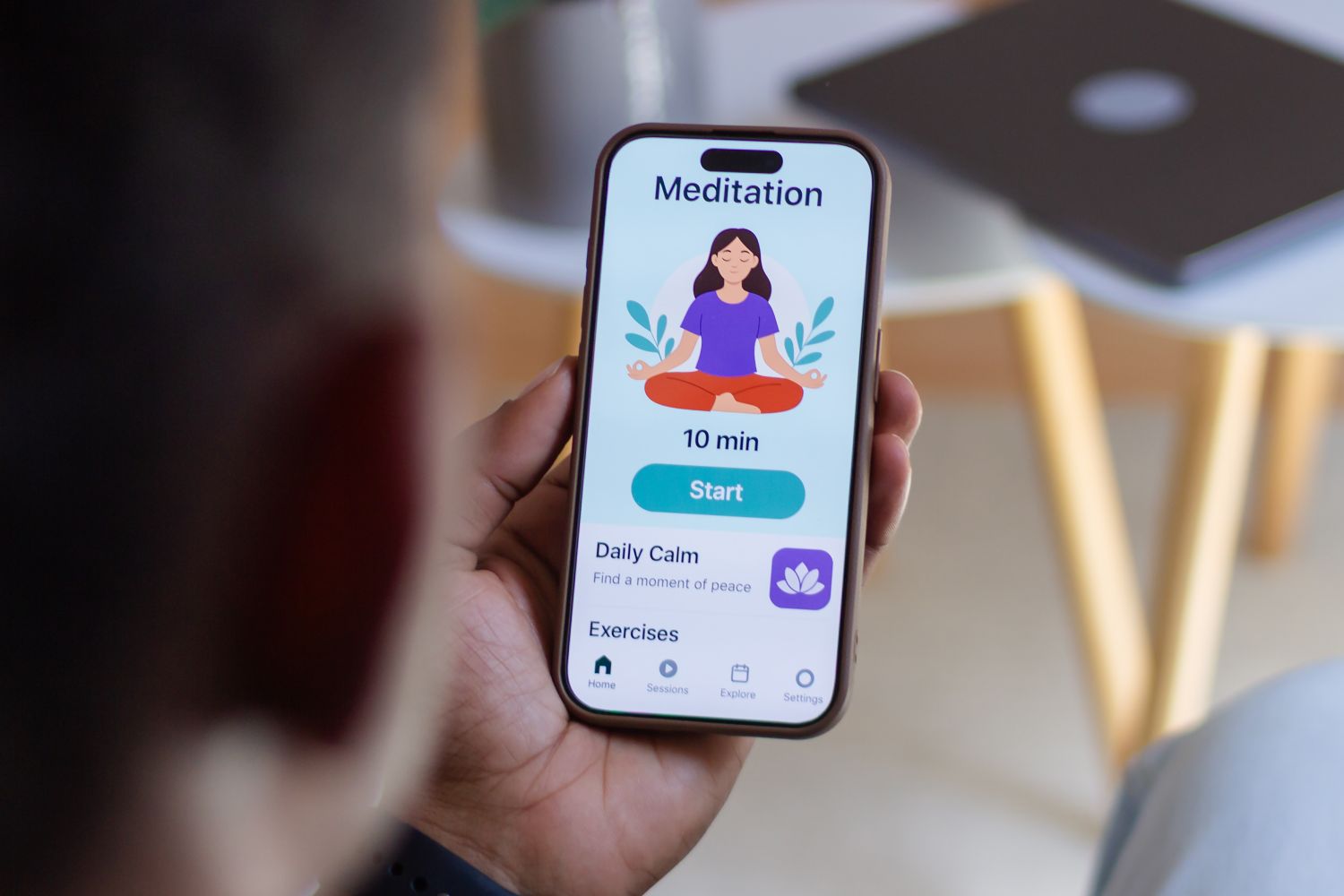
Digital health apps have quietly reshaped how people approach wellness. What once required clinic visits, paper logs, or expensive equipment can now be managed from a smartphone. These apps are not just about convenience—they actively support healthier habits, better awareness, and more personalized care in everyday life.
Understanding Digital Health Apps
Digital health apps are software-based tools designed to support physical, mental, and emotional well-being. They collect, analyze, and present health-related data in ways that are easy to understand and act on.
Common categories include:
-
Fitness and activity tracking apps
-
Nutrition and diet management apps
-
Mental health and mindfulness platforms
-
Chronic condition monitoring tools
-
Sleep and recovery trackers
Together, they form a digital ecosystem focused on prevention, consistency, and informed decision-making.
Personalized Wellness at Scale
One of the strongest advantages of digital health apps is personalization. Unlike generic health advice, these apps adapt to individual behavior, preferences, and goals.
They personalize wellness by:
-
Analyzing user data such as activity levels, sleep patterns, or heart rate
-
Adjusting recommendations based on progress or setbacks
-
Setting realistic, adaptive goals instead of fixed benchmarks
This tailored approach helps users stay engaged and reduces the frustration that often leads to abandoned health routines.
Encouraging Consistent Healthy Habits
Consistency is often the hardest part of wellness. Digital health apps address this challenge through behavioral nudges and habit-forming design.
Key features that support consistency include:
-
Smart reminders for workouts, hydration, or medication
-
Daily streaks and progress tracking
-
Positive reinforcement through achievements or milestones
Over time, these small prompts help turn intentional actions into automatic habits.
Improving Mental and Emotional Well-Being
Wellness is not limited to physical health. Many digital health apps now focus on mental resilience, stress management, and emotional balance.
Mental health-focused features often include:
-
Guided meditation and breathing exercises
-
Mood tracking with reflective prompts
-
Cognitive behavioral techniques delivered in simple formats
By making mental health tools accessible and private, these apps lower barriers that traditionally prevent people from seeking support.
Real-Time Health Insights and Awareness
Digital health apps excel at turning raw data into actionable insights. Instead of vague feelings like “I feel tired,” users gain concrete feedback on what may be happening in their bodies.
Examples of real-time insights include:
-
Sleep quality breakdowns with contributing factors
-
Activity trends that highlight sedentary patterns
-
Early alerts for irregular metrics such as heart rate or glucose levels
This awareness empowers users to make informed lifestyle adjustments before small issues become larger problems.
Supporting Preventive Care and Early Action
Prevention is where digital health apps create long-term value. By tracking trends over time, they help identify early warning signs that might otherwise go unnoticed.
Preventive benefits include:
-
Detecting gradual declines in activity or sleep
-
Highlighting stress patterns linked to work or routines
-
Supporting early intervention through lifestyle changes rather than reactive treatment
This shift from reactive to proactive care aligns with modern wellness goals.
Integration with Wearables and Healthcare Systems
Many digital health apps integrate seamlessly with wearable devices and external health platforms, creating a more complete picture of wellness.
These integrations allow:
-
Continuous data collection without manual input
-
Better accuracy through sensors and biometrics
-
Easier sharing of health data with healthcare professionals when needed
As interoperability improves, digital health apps increasingly complement traditional healthcare rather than replace it.
Challenges and Responsible Use
While digital health apps offer clear benefits, responsible use is essential. Not all apps are created equal, and users should remain mindful of limitations.
Important considerations include:
-
Data privacy and security practices
-
Over-reliance on metrics instead of body awareness
-
The need for professional guidance in medical conditions
Used thoughtfully, digital health apps are tools—not substitutes—for informed healthcare decisions.
The Future of Digital Wellness
As technology evolves, digital health apps are expected to become even more intuitive, predictive, and inclusive. Advances in artificial intelligence and sensor technology will likely improve personalization and accuracy, making wellness support more responsive to real-life needs.
The long-term impact lies in empowering individuals to understand and manage their health daily, not just during moments of illness.
Frequently Asked Questions (FAQ)
1. Are digital health apps suitable for all age groups?
Yes, many apps are designed with adjustable interfaces and features that cater to different age groups, from young adults to seniors.
2. Can digital health apps replace medical professionals?
No. These apps are best used as supportive tools and should not replace professional medical advice or diagnosis.
3. How accurate is the data from digital health apps?
Accuracy depends on the app, sensors used, and user input. Apps connected to wearables generally provide more reliable data.
4. Do digital health apps help with long-term behavior change?
They can, especially when combined with realistic goals, consistent use, and intrinsic motivation.
5. What should users look for before choosing a health app?
Users should evaluate privacy policies, evidence-based features, usability, and whether the app aligns with their specific health goals.
6. Are digital health apps effective for managing chronic conditions?
Many apps support condition management through tracking and reminders, but they work best alongside professional care.
7. How do digital health apps impact overall healthcare costs?
By promoting prevention and early action, they may help reduce long-term healthcare expenses, though outcomes vary by user and condition.
