
Dental implants have become a routine and reliable solution for replacing missing teeth. Yet behind every successful case lies a careful assessment of stability. Implant stability determines whether an implant integrates securely with the jawbone and continues to function for decades. While patients often focus on appearance, clinicians pay close attention to the biological and mechanical factors that influence how firmly an implant anchors in place.
Anyone considering dental implants in London will quickly discover that stability is not accidental. It is the result of detailed planning, surgical precision, and long-term care. From bone density to lifestyle habits, multiple elements affect how well an implant bonds with the body. Understanding these influences can help patients make informed decisions and protect their investment in oral health. According to a cosmetic dentist from MaryleboneSmileClinic, careful pre-operative planning is essential to long-term implant success. He advises patients to fully understand the condition of their jawbone before proceeding. Proper assessment at the outset significantly reduces the likelihood of complications later.
Bone Quality and Quantity: The Foundation of Stability
The most significant factor in implant stability is the quality and volume of the jawbone. Dental implants rely on osseointegration, a biological process in which the bone fuses directly to the implant surface. If the bone is too soft, thin, or insufficient in volume, achieving initial stability becomes more challenging.
In London, clinicians often see patients who have experienced bone loss due to prolonged tooth absence, advanced gum disease, or trauma. When a tooth is missing for an extended period, the surrounding bone begins to shrink. This natural resorption reduces the available support for an implant. In such cases, bone grafting procedures may be recommended to rebuild lost structure before implant placement.
Bone density also varies between individuals and even between areas of the same mouth. The lower jaw generally provides denser bone compared to the upper jaw, particularly in the back regions where sinuses are present. Advanced imaging, including 3D scans, enables dentists to measure bone thickness and density accurately before surgery.
Surgical Technique and Implant Design
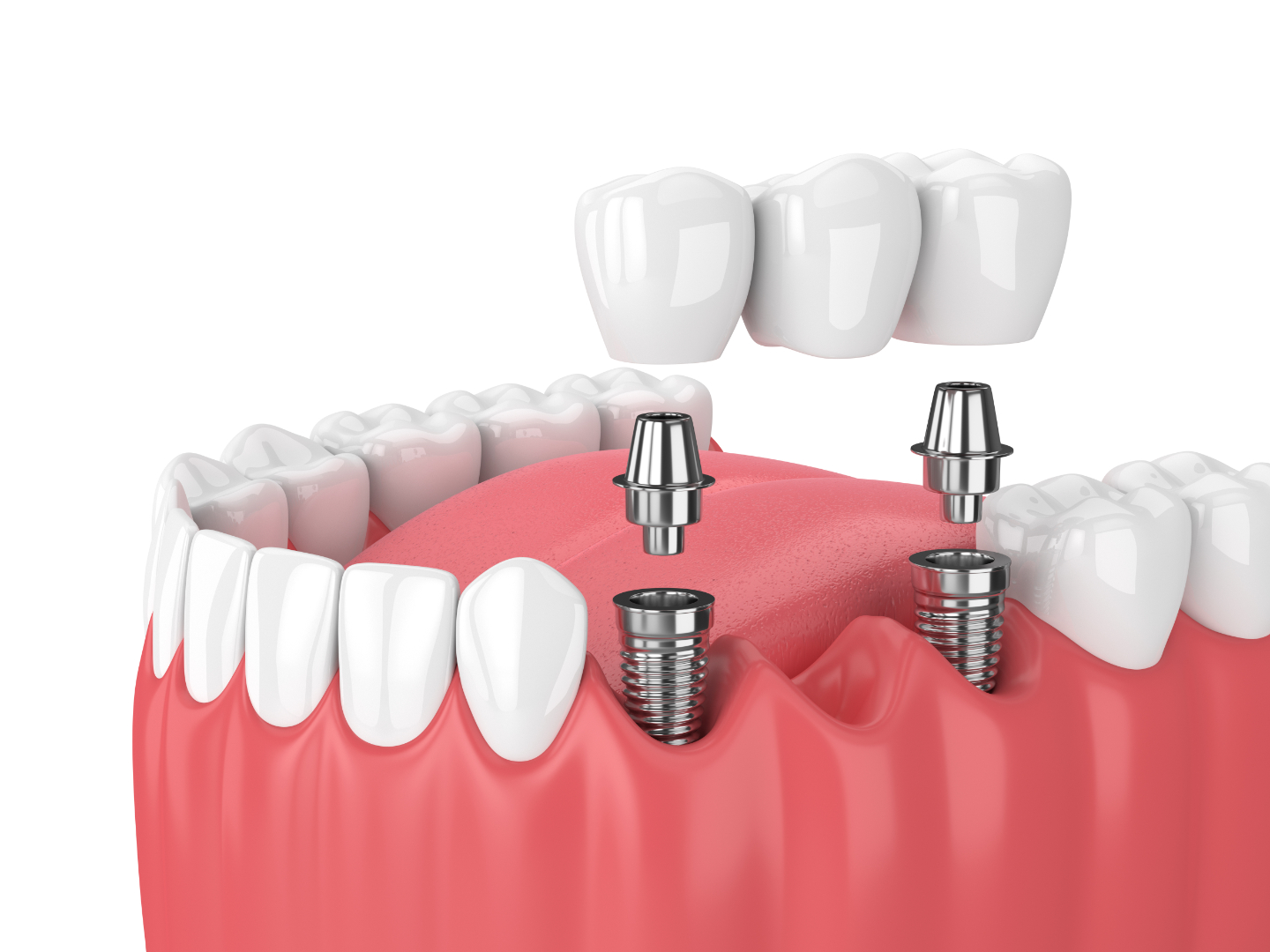
Even with adequate bone, implant stability depends heavily on surgical technique and the design of the implant itself. Modern dental implants are engineered with threaded surfaces that allow them to anchor securely into bone. The precise angle, depth, and torque applied during placement all influence how stable the implant feels immediately after insertion.
Primary stability refers to the mechanical grip achieved at the time of surgery. This initial stability is crucial because it sets the stage for biological integration. If the implant moves excessively during the healing phase, osseointegration may fail. For this reason, experienced implant dentists use guided surgical systems and digital planning tools to ensure optimal positioning.
Implant surface technology has also evolved. Roughened or treated surfaces increase the surface area available for bone contact, encouraging faster and stronger integration. The choice of implant size and shape must match the patient’s anatomy. Narrow implants may be necessary where space is limited, but they require careful case selection to avoid overloading.
In London practices, emphasis is placed on minimally invasive techniques to reduce trauma to surrounding tissues. Lower surgical trauma generally promotes better healing and reduces post-operative discomfort. While patients may not see these technical considerations, they play a decisive role in long-term implant success.
Gum Health and the Role of Soft Tissue
While bone provides structural support, healthy gum tissue forms the protective seal around a dental implant. The gums act as a barrier against bacteria, preventing infection from reaching the underlying bone. If gum health is compromised, implant stability can be threatened.
Periodontal disease remains one of the leading causes of tooth loss in the UK. Patients who have previously suffered from gum disease may be at greater risk of peri-implantitis, an inflammatory condition affecting tissues around implants. Without intervention, peri-implantitis can lead to bone loss and eventual implant failure.
Before placing an implant, dentists assess the condition of the gums carefully. Any signs of active infection must be treated first. In some cases, soft tissue grafts are performed to thicken or strengthen the gum around the implant site. Adequate keratinised tissue helps maintain a tight seal and improves long-term outcomes.
Daily oral hygiene is equally important. Brushing twice a day, cleaning between teeth, and attending regular hygienist appointments all contribute to maintaining healthy soft tissue. Patients seeking dental implant London services are often advised that implants require the same, if not greater, attention than natural teeth. Stability is preserved not only in the operating chair but through consistent maintenance at home.
Patient Health and Lifestyle Factors
Implant stability is influenced not only by local oral conditions but also by general health. Systemic factors such as diabetes, osteoporosis, and immune disorders can affect healing and bone metabolism. Well-controlled medical conditions usually do not prevent implant treatment, but they require careful coordination between patient and clinician.
Smoking remains one of the most significant lifestyle risks. Tobacco reduces blood flow to the gums and bone, impairing healing after surgery. Research consistently shows higher implant failure rates among smokers compared to non-smokers. Patients are strongly encouraged to reduce or stop smoking before undergoing implant placement.
Diet and nutrition also contribute to healing capacity. Adequate intake of calcium, vitamin D, and protein supports bone regeneration. In the weeks following surgery, patients are typically advised to follow a soft-food diet to avoid placing excessive pressure on the implant during early healing.
Stress and teeth grinding, known as bruxism, can exert excessive forces on implants. In London, where high-pressure lifestyles are common, dentists frequently recommend custom night guards to protect implants from overload. Stability is not solely a matter of surgical success; it is closely linked to how patients care for their overall wellbeing.
Long-Term Maintenance and Bite Forces
Once an implant has integrated successfully, maintaining stability becomes a matter of managing forces and preventing infection over time. The way upper and lower teeth meet, known as the occlusion, must be balanced carefully. If bite forces are uneven, the implant may experience excessive load, potentially leading to mechanical complications.
Implant-supported crowns are designed to distribute pressure evenly. Regular dental reviews allow clinicians to monitor how the implant is functioning within the broader bite pattern. Adjustments may be made if natural teeth shift or if wear alters the contact points.
Professional cleaning plays a critical role in long-term success. Special instruments are used to clean around implants without scratching their surfaces. Radiographs taken periodically help detect early signs of bone loss that may not be visible during routine examination.
Patients who invest in a dental implant London procedure often expect it to last for decades. With proper care, many implants do. However, longevity depends on ongoing partnership between patient and dentist. Stability is not a static outcome achieved on the day of surgery; it is a dynamic condition that must be monitored and protected throughout life.
Understanding the factors that influence implant stability allows patients to approach treatment with realistic expectations. Bone quality, surgical expertise, gum health, general wellbeing, and long-term maintenance all interact to determine success. By addressing each of these elements carefully, London implant dentists aim to provide solutions that are not only aesthetically pleasing but structurally dependable for years to come.
