
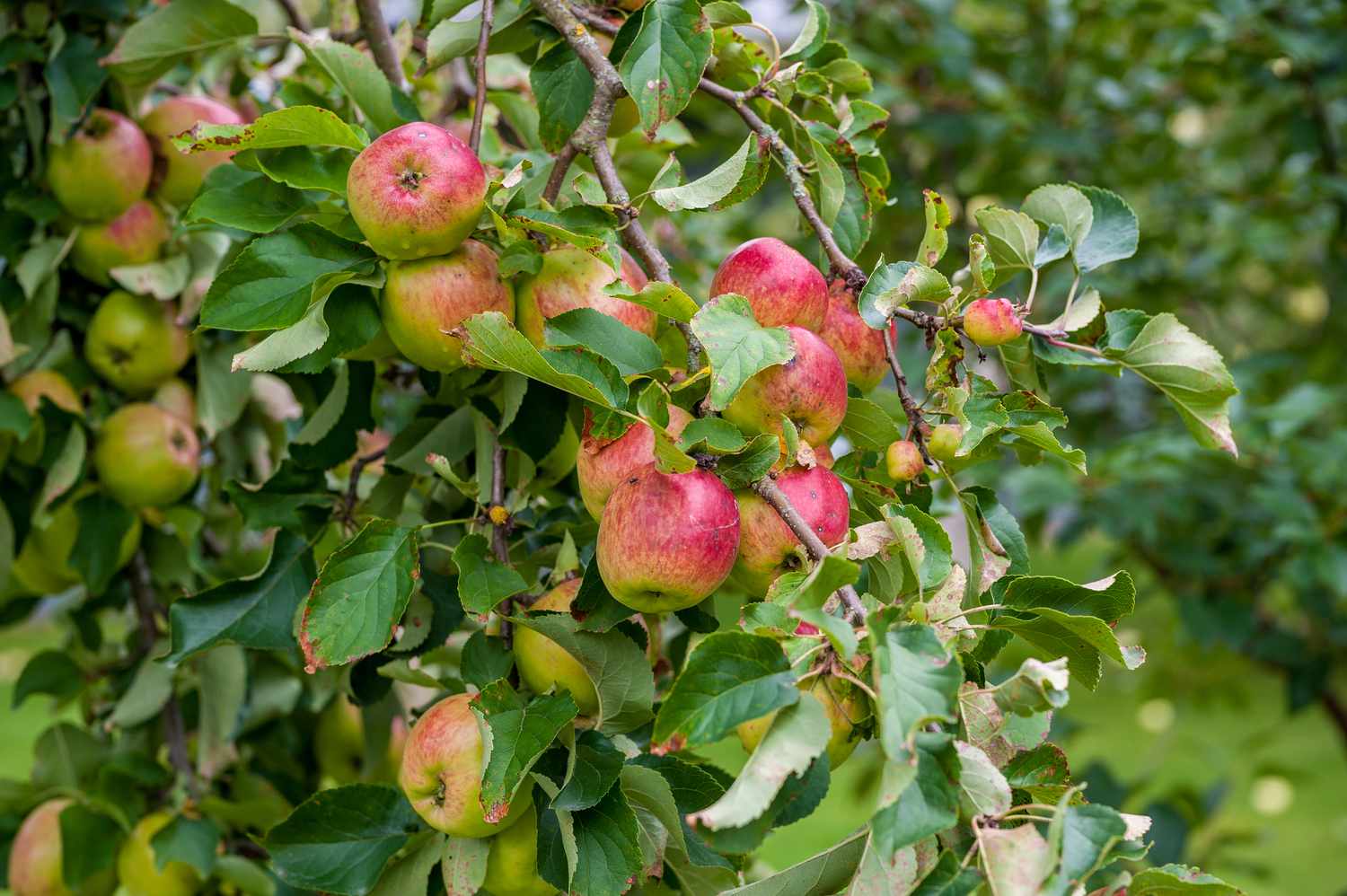
Effective drainage is essential for successful container gardening, particularly when cultivating fruit trees and plants. Poor drainage can lead to waterlogged soil, root rot, and diminished fruit yields, which can be particularly detrimental for fruit trees that require precise moisture balance to thrive. This article explores seven practical solutions to enhance drainage in container-grown fruit trees, ensuring healthy root systems and bountiful harvests. These methods are tailored to address the unique challenges of container gardening, offering actionable advice for British gardeners aiming to grow their own fruit in limited spaces. A nursery specialist from Fruit-Trees.com provides insight: “Ensuring proper drainage is critical when you buy fruit trees for container gardening. Without it, even the healthiest trees can suffer from root issues, impacting growth and fruit production.”
The Importance of Drainage for Fruit Trees
Container-grown fruit trees, such as apples, cherries, or citrus, face unique challenges compared to those planted in the ground. The confined space of a pot restricts root expansion and limits natural water dispersal, making effective drainage paramount. Excess water trapped in the soil can suffocate roots, leading to fungal infections like root rot, which is particularly harmful to fruit trees that require well-aerated soil for nutrient uptake. Good drainage ensures a balance of moisture and oxygen, promoting robust root development and supporting fruit production. For British gardeners, where rainfall can be frequent, mastering drainage techniques is crucial to prevent waterlogging, especially during wet seasons.
The consequences of poor drainage are stark. Waterlogged soil can cause yellowing leaves, stunted growth, and reduced fruit quality or quantity. For fruit trees, which often require significant energy to produce blossoms and fruit, these issues can be particularly detrimental. By implementing effective drainage solutions, gardeners can create an environment where fruit trees flourish, whether on a balcony, patio, or small garden. The following sections detail seven practical fixes to optimise drainage for container-grown fruit.
Selecting Containers with Adequate Drainage Holes
The foundation of effective drainage lies in choosing containers with sufficient drainage holes. Without these, even the best soil mix cannot prevent water accumulation. For fruit trees, which often have deep root systems, containers should have multiple holes to ensure even water flow. Small pots, under 10 inches in diameter, should have at least three to five holes of approximately 1/4 inch in diameter. Medium containers, ranging from 10 to 16 inches, benefit from five to seven holes of 3/8 inch, while larger pots, suitable for dwarf fruit trees, require seven to twelve holes of 1/2 inch, evenly spaced across the base.
For gardeners looking to buy fruit trees, selecting the right container is a critical first step. If a pot lacks adequate holes, they can be added using a power drill. For plastic containers, a standard 1/4 to 1/2 inch bit works well, while clay or ceramic pots require a masonry bit to avoid cracking. Drilling should be done slowly from the inside out to create clean holes. Metal containers may need a hammer and nail to create pilot holes before drilling. This simple modification can significantly improve water flow, reducing the risk of root damage in fruit trees.
Using Well-Draining Soil Mixes
The soil mix used in containers plays a pivotal role in drainage. Standard garden soil is unsuitable for container gardening as it compacts easily, retaining excess water and restricting air flow. Instead, opt for a potting mix designed for containers, ideally one formulated for fruit trees or woody plants. Commercial mixes like those containing perlite, pumice, or coarse sand create air pockets that facilitate drainage while retaining sufficient moisture for root health.
For a custom blend, combine two parts potting soil with one part perlite and one part coarse sand or fine gravel. For fruit trees like citrus or figs, which prefer drier conditions, increase the proportion of drainage materials to a 1:1:1 ratio. Adding a small amount of activated charcoal can further enhance soil health by preventing souring and filtering impurities, which is particularly beneficial for fruit trees that require long-term soil stability. When gardeners buy fruit trees, they should prioritise soil mixes that match the specific needs of their chosen species, such as free-draining mixes for apples or moisture-retentive ones for blueberries.
Adding a Drainage Layer
A drainage layer at the bottom of the container can enhance water flow, particularly for fruit trees with sensitive roots. Materials such as pebbles, gravel, or broken terracotta pieces create a buffer zone where excess water can collect before draining out, preventing soil saturation. For smaller pots, a 1-inch layer is sufficient, while larger containers for fruit trees may require a 2- to 3-inch layer. Recycled materials, such as broken pottery or wine corks, offer cost-effective and sustainable alternatives.
However, care must be taken not to overdo the drainage layer, as excessive material can reduce soil volume, limiting root growth. For fruit trees, which require ample soil for nutrient uptake, balance is key. A thin layer of gravel or pebbles, combined with well-placed drainage holes, ensures water moves freely without compromising the root system’s access to nutrients.
Elevating Containers for Better Water Flow
Elevating containers off the ground is a simple yet effective way to improve drainage. By raising the pot, water can exit drainage holes freely, preventing pooling that can harm fruit tree roots. This is particularly important in Britain’s often damp climate, where water can accumulate under pots during heavy rain. Gardeners can use pot feet, bricks, or even repurposed items like bottle caps or small stones to lift containers by at least an inch.
For larger containers housing dwarf fruit trees, sturdy pot feet or wooden blocks provide stability. Decorative risers or furniture casters can add an aesthetic touch while maintaining functionality. Positioning elevated containers on level surfaces ensures even drainage and prevents tipping. During prolonged rainy periods, consider temporarily relocating pots to areas with better runoff to further protect fruit tree roots from waterlogging.
Installing Drainage Mats or Screens
Drainage mats or screens offer a modern solution to prevent soil from clogging drainage holes while allowing water to flow freely. Unlike gravel layers, these lightweight materials maximise soil volume, which is crucial for fruit trees with extensive root systems. Landscape fabric or specialised drainage mats can be cut to fit the container’s base, ensuring complete coverage. For rigid screens, bending the edges slightly upward creates a dome shape that prevents sagging under the weight of the soil.
When installing, place the mat or screen directly against the drainage holes to optimise effectiveness. For fruit trees, which often require consistent moisture management, these screens ensure that water exits efficiently without washing away soil nutrients. This method is particularly useful for gardeners who buy fruit trees and want to maintain long-term container health with minimal maintenance.
Implementing Smart Watering Practices
Watering practices significantly influence drainage and overall fruit tree health. Overwatering is a common mistake that can negate even the best drainage systems. For container-grown fruit trees, water slowly at soil level until liquid just begins to emerge from drainage holes, then stop. This ensures the root system is adequately moistened without becoming saturated. In Britain’s variable climate, adjust watering frequency seasonally—reduce by 30-50% in autumn and winter, and increase during summer heatwaves.
Bottom watering, where the container is placed in a shallow tray of water for the roots to absorb moisture, can also prevent waterlogging. This technique is particularly effective for fruit trees like strawberries or blueberries, which benefit from controlled moisture uptake. Regularly monitor for signs of poor drainage, such as yellowing leaves or soggy soil, and adjust watering habits accordingly to maintain optimal conditions.
Using Self-Watering Containers with Overflow Systems
Self-watering containers are an innovative option for fruit trees, particularly for gardeners with busy schedules. These pots feature built-in reservoirs that supply water to the soil via capillary action, maintaining consistent moisture levels without overwatering. Crucially, they include overflow holes to prevent water accumulation, which is essential for fruit trees sensitive to waterlogged conditions.
When selecting self-watering containers, ensure the overflow holes are unobstructed and positioned to allow excess water to escape. These containers are ideal for dwarf fruit trees like apples or cherries, as they reduce the risk of overwatering while ensuring steady moisture. For gardeners looking to buy fruit trees for container gardening, self-watering pots can simplify maintenance, particularly in urban settings or small spaces where regular watering may be challenging.
Maintaining Drainage Efficiency
Sustaining effective drainage requires ongoing maintenance. Regularly inspect drainage holes for blockages caused by roots or mineral deposits, which can impede water flow. Flushing the soil with clean water periodically removes salt buildup from fertilisers, which is particularly important for fruit trees that rely on balanced nutrients for fruit production. Replacing the topsoil annually prevents compaction, ensuring continued aeration and drainage.
Monitoring plant health is also critical. Symptoms like wilting despite moist soil or foul odours indicate drainage issues that need immediate attention. For fruit trees, which are long-term investments, proactive maintenance ensures they remain productive for years. Gardeners should also consider sustainable practices, such as collecting runoff water to prevent nutrient leaching into surrounding areas, especially when using chemical fertilisers.
Tailoring Drainage to Fruit Tree Varieties
Different fruit trees have unique drainage needs. For example, citrus trees require fast-draining soil to prevent root rot, while blueberries thrive in slightly moister conditions but still need good aeration. Apples and cherries, popular in British gardens, benefit from a balanced approach with well-draining soil and elevated containers. When gardeners buy fruit trees, they should research the specific requirements of their chosen variety to tailor drainage solutions accordingly.
For instance, dwarf apple trees perform well in containers with multiple drainage holes and a gravel layer, while strawberries may benefit from drainage screens to maintain consistent moisture without waterlogging. Understanding these nuances allows gardeners to optimise their container setups, ensuring each fruit tree receives the ideal balance of water and air.
Conclusion
Effective drainage is the cornerstone of successful container gardening for fruit trees. By implementing these seven fixes—selecting containers with adequate drainage holes, using well-draining soil mixes, adding drainage layers, elevating containers, installing drainage mats, adopting smart watering practices, and using self-watering containers—gardeners can create optimal conditions for healthy root systems and abundant fruit production. Regular maintenance and attention to the specific needs of different fruit tree varieties further enhance success. These strategies empower British gardeners, whether in small urban spaces or expansive patios, to cultivate thriving fruit trees, ensuring both aesthetic appeal and a rewarding harvest.
