
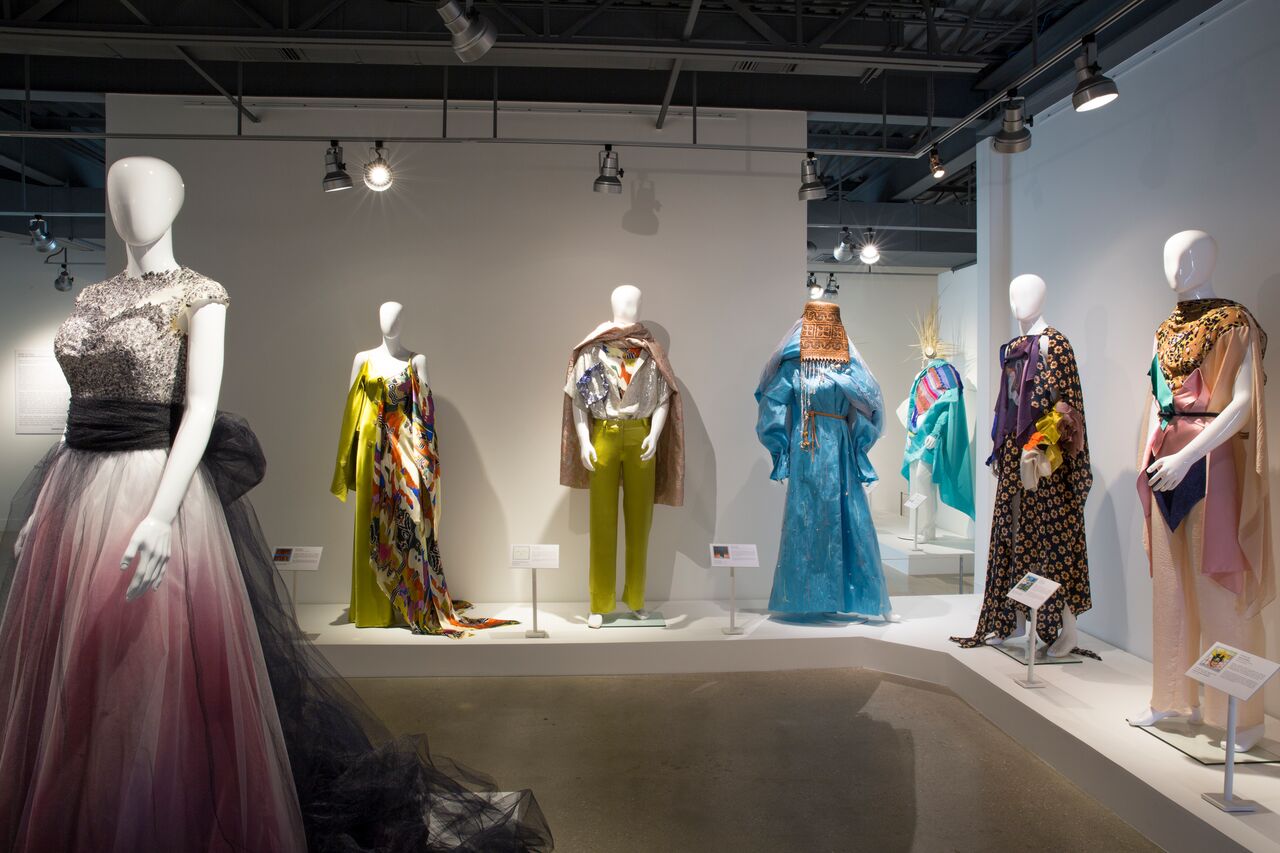
Fashion is one of the most influential industries in the world, shaping how people present themselves and express individuality. It is not just about clothing; it is a cultural statement, a social dialogue, and often a reflection of economic and technological progress. From streetwear movements to high-end couture, fashion consistently adapts and evolves with society, creating a blend of artistry and practicality. When we talk about fashion, we are also exploring identity, creativity, and the way trends influence daily life.
The Roots of Fashion
Historical Influence
Fashion has a deep connection to history. The styles of each century mirror social and political climates. For instance, during the Victorian era, modesty and structured attire defined the norms, while the roaring 1920s welcomed flapper dresses and bold statements. Each period of time brought new fabrics, silhouettes, and ideas that shaped the direction of style for generations.
Cultural Importance
Cultural traditions strongly influence fashion. From Indian sarees to Scottish kilts, attire often carries meaning beyond mere appearance. Today, globalisation has allowed cultural influences to merge, with designers drawing inspiration from diverse traditions to create contemporary pieces.
Modern Fashion Trends
The Rise of Sustainability
One of the biggest shifts in recent years is the focus on sustainable fashion. Consumers are increasingly conscious of the environmental impact of fast fashion. Ethical sourcing, eco-friendly fabrics, and recycling initiatives are becoming vital to brand identity. Instead of disposable fashion, buyers now seek timeless and versatile pieces.
Digital Influence
Social media has completely transformed how fashion is consumed. Platforms like Instagram and TikTok set trends overnight, with influencers and celebrities showcasing their unique styles. Online fashion shows and virtual fittings are redefining accessibility, allowing global audiences to participate in once-exclusive events.
Gender-Neutral Styles
The rise of gender-neutral clothing challenges traditional norms. Many brands are introducing collections that prioritise comfort and inclusivity rather than fitting into binary definitions of male and female attire. This shift is not only about fashion but also about broader social acceptance and equality.
The Role of Technology in Fashion
Technology is revolutionising the fashion landscape. Designers use AI to predict trends, while 3D printing is enabling the creation of unique clothing and accessories. Smart fabrics with built-in technology, such as temperature regulation or fitness tracking, are also making their way into the mainstream.
-
AI-driven designs: Helping brands anticipate consumer preferences.
-
Virtual reality: Offering immersive shopping experiences.
-
Blockchain: Ensuring authenticity and transparency in luxury fashion.
Fashion and Personal Identity
Clothing is one of the most powerful ways individuals communicate personality and mood. Whether someone prefers minimalist aesthetics or bold statements, fashion serves as a canvas for self-expression. In workplaces, schools, and social settings, attire often influences first impressions and interactions.
Key Segments of Fashion
Haute Couture
High fashion is synonymous with exclusivity. Custom-made garments, often handcrafted by skilled artisans, represent the peak of creativity and luxury. Haute couture pieces are not just clothing but works of art.
Streetwear
Streetwear reflects urban culture and youth identity. Rooted in skateboarding and hip-hop, it has grown into a global trend, blending comfort with bold branding. Today, streetwear is as influential as traditional fashion houses.
Everyday Wear
Everyday fashion focuses on comfort, affordability, and practicality. It is where functionality meets style, allowing individuals to look presentable without compromising ease.
The Business Side of Fashion
The fashion industry is one of the largest employers worldwide. From textile production to retail, it supports millions of jobs. Fashion weeks in cities like London, Paris, Milan, and New York are not only creative showcases but also powerful economic drivers. Marketing strategies, brand collaborations, and e-commerce platforms continue to play major roles in shaping the industry.
Real-Life Applications of Fashion
Fashion is present in every aspect of life. For example:
-
Workplace attire sets the tone for professionalism and confidence.
-
Sportswear combines performance technology with style, making exercise more appealing.
-
Event dressing reflects cultural traditions, such as weddings or festivals, where attire plays a symbolic role.
FAQs About Fashion
How does fashion influence confidence?
Clothing has a psychological impact. Wearing well-fitted and stylish clothes often boosts self-esteem, helping individuals feel more empowered in social and professional situations.
What is the difference between fast fashion and sustainable fashion?
Fast fashion focuses on mass production of low-cost clothing with short-lived trends. Sustainable fashion, on the other hand, emphasises durability, ethical sourcing, and minimal environmental harm.
Why do fashion trends repeat over time?
Trends often resurface because fashion is cyclical. Designers frequently draw inspiration from past decades, reinterpreting classic styles with a modern twist.
How is technology changing the shopping experience?
Technology has made fashion more accessible. Virtual fitting rooms, AI-driven recommendations, and online-exclusive collections are changing how people browse and purchase clothes.
Can fashion be affordable and sustainable at the same time?
Yes, by investing in timeless pieces, buying from ethical brands, or choosing second-hand clothing, consumers can enjoy style while supporting sustainability.
