
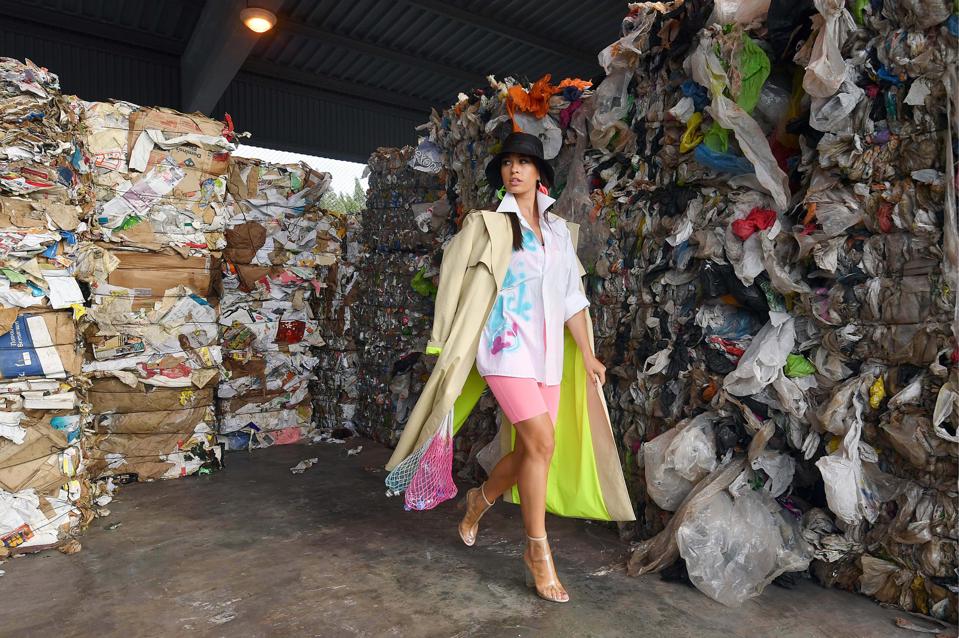
The fashion industry is in the middle of a reckoning. What was once built on rapid production and fast disposal is now being challenged by environmental limits, rising consumer awareness, and resource scarcity. Fashion recycling and the circular economy have emerged as practical, forward-looking solutions that rethink how clothing is designed, used, and reused—without sacrificing creativity or style.
Understanding Fashion Recycling
Fashion recycling refers to the process of recovering value from used clothing and textiles rather than sending them to landfills or incineration. This can happen at multiple stages of a garment’s life, from resale to fiber regeneration.
Key forms of fashion recycling include:
-
Mechanical recycling – shredding fabrics into fibers to create new yarns
-
Chemical recycling – breaking textiles down to their molecular level for higher-quality reuse
-
Upcycling – transforming old garments into new designs with added value
-
Downcycling – repurposing textiles into lower-grade products such as insulation or cleaning cloths
Each method plays a role in reducing waste and conserving raw materials.
What Is the Circular Economy in Fashion?
The circular economy is a system designed to eliminate waste by keeping materials in continuous use. In fashion, this means shifting away from the traditional “take–make–dispose” model and toward a loop where garments are designed for longevity, repair, reuse, and recycling.
Instead of treating clothes as disposable items, circular fashion treats them as renewable resources.
How Fashion Recycling Supports a Circular Economy
Fashion recycling is one of the most powerful tools within the circular model. It closes the loop by ensuring that textiles remain in circulation rather than becoming waste.
This approach helps by:
-
Reducing landfill waste from discarded clothing
-
Lowering demand for virgin fibers such as cotton and polyester
-
Saving water and energy used in raw material production
-
Cutting greenhouse gas emissions associated with manufacturing
When recycling is built into the system, fashion becomes less extractive and more regenerative.
The Environmental Impact of Textile Waste
Globally, millions of tons of clothing are discarded every year. Synthetic fabrics can take decades or centuries to decompose, while natural fibers often release harmful dyes and chemicals as they break down.
Fashion recycling addresses this problem by:
-
Preventing textile accumulation in landfills
-
Minimizing microplastic pollution from synthetic fabrics
-
Reducing chemical runoff into soil and waterways
The result is a measurable reduction in fashion’s environmental footprint.
Innovation Driving Circular Fashion
Technology is accelerating the shift toward a circular economy. Advanced recycling methods now allow blended fabrics—once considered unrecyclable—to be separated and reused.
Notable innovations include:
-
Fiber-to-fiber recycling technologies
-
Digital tracking systems for garment life cycles
-
Biodegradable and recyclable fabric blends
-
On-demand and small-batch manufacturing
These innovations make circular fashion more scalable and commercially viable.
The Role of Consumers in Fashion Recycling
Circular fashion cannot succeed without consumer participation. Every purchasing and disposal decision influences the system.
Consumers can support fashion recycling by:
-
Choosing quality over quantity
-
Donating or reselling unwanted clothing
-
Repairing garments instead of replacing them
-
Supporting brands with take-back or recycling programs
Small behavioral changes, when multiplied, have a significant impact.
Challenges Facing Fashion Recycling
Despite its promise, fashion recycling still faces obstacles.
Common challenges include:
-
Limited recycling infrastructure in many regions
-
Difficulty recycling mixed-fiber garments
-
High costs of advanced recycling technologies
-
Lack of standardized labeling for recyclable textiles
Addressing these issues requires collaboration between designers, manufacturers, policymakers, and consumers.
The Future of Fashion in a Circular Economy
As regulations tighten and sustainability expectations grow, circular models are becoming less optional and more essential. Brands that integrate recycling and circular design today are better positioned for long-term resilience.
The future of fashion is not about producing more—it’s about using what already exists more intelligently.
Frequently Asked Questions (FAQ)
1. How is fashion recycling different from donating clothes?
Donating extends a garment’s life through reuse, while recycling focuses on breaking down textiles to create new materials or products.
2. Can all fabrics be recycled?
Not all fabrics are easily recyclable, especially blended textiles, though new technologies are improving recyclability.
3. Does recycled clothing compromise quality?
Modern recycling methods can produce fibers that match or closely resemble the quality of virgin materials.
4. Is circular fashion more expensive for consumers?
While some items may cost more upfront, they often last longer, making them more cost-effective over time.
5. How do brands benefit from a circular economy?
Brands reduce material costs, improve supply chain resilience, and build trust with sustainability-conscious consumers.
6. What happens to clothes placed in recycling bins?
They are typically sorted for resale, upcycling, fiber recycling, or industrial reuse depending on condition and material.
7. Can circular fashion significantly reduce climate impact?
Yes, by lowering resource extraction, energy use, and waste, circular fashion can meaningfully reduce emissions across the supply chain.
