
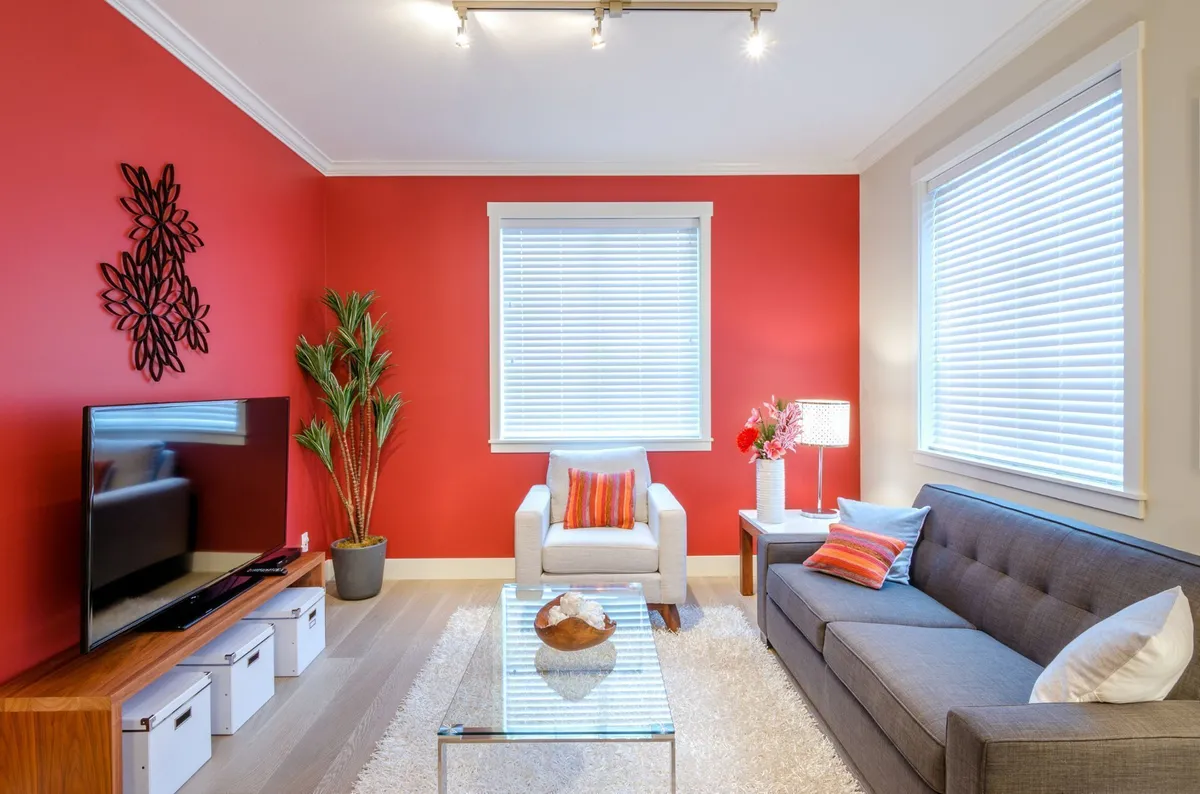
Home is more than a physical structure of bricks, walls, and roofs. It is an idea deeply rooted in human emotion, culture, and personal identity. For many, it represents safety, belonging, and comfort. Others view it as a space for growth, creativity, and personal expression. Understanding the meaning of home helps us appreciate why it remains one of the most significant aspects of life.
The Concept of Home
A home is often defined as a place where someone lives permanently. Yet its significance goes beyond this definition. Home shapes how individuals feel about themselves, how they connect with others, and how they relate to the world around them. It is a place where values, traditions, and relationships are nurtured.
Emotional Connection
The emotional meaning of home cannot be underestimated. It offers:
-
Security and safety, providing peace of mind against external uncertainties
-
Comfort and warmth, allowing people to recharge and feel at ease
-
A sense of identity, reflecting personal style and values through decoration and atmosphere
Home as a Reflection of Identity
Every home tells a story. From the way furniture is arranged to the colours chosen for the walls, homes reflect the personality of the people who live in them. This individuality is what makes every home unique.
-
Design and decoration choices mirror personal taste and cultural influences
-
Objects and memories such as photographs, souvenirs, and heirlooms give meaning and continuity
-
Daily routines and rituals shape how spaces are used and valued
The Social Role of Home
A home is not only a private retreat but also a social space. It plays an essential role in how people connect and interact with family, friends, and communities.
A Place for Togetherness
-
Families gather at home to celebrate traditions, share meals, and build lasting bonds
-
Guests are welcomed, fostering relationships and strengthening social ties
-
Home environments influence how children grow, learn, and develop their sense of belonging
Building Communities
The idea of home extends to the neighbourhood. Shared experiences such as festivals, street events, and local traditions contribute to a sense of belonging beyond the household.
Home and Wellbeing
The quality of a home environment greatly affects mental and physical wellbeing. Factors such as cleanliness, natural light, space, and comfort influence mood, productivity, and overall health.
The Importance of Comfort
-
Natural light and ventilation improve physical health and mental clarity
-
Organisation and cleanliness reduce stress and create a sense of order
-
Personalised spaces enhance emotional wellbeing and encourage relaxation
Home as a Healing Space
Many people describe their home as a sanctuary. After a long or stressful day, returning home offers a sense of grounding and balance that helps maintain resilience.
The Evolution of Home
Homes have evolved over centuries, reflecting cultural changes, economic conditions, and technological advancements. From traditional cottages to modern apartments, the concept of home adapts to lifestyle changes.
Modern Living
-
Open-plan layouts support more social interaction
-
Smart technology makes homes more efficient and connected
-
Minimalist approaches reflect modern needs for simplicity and sustainability
Cultural Influence
Different cultures define and experience home in unique ways. For instance:
-
In some traditions, home is strongly tied to ancestry and heritage
-
In urban societies, apartments and smaller living spaces redefine what comfort means
-
In rural settings, homes often integrate with nature, shaping a different relationship with the environment
The Financial Aspect of Home
Beyond its emotional and cultural meaning, a home is also a financial investment. It represents stability, wealth-building, and security for the future.
Buying and Owning a Home
Owning property has long been seen as a milestone in adulthood. It provides financial independence, but also responsibilities such as maintenance and mortgage commitments.
Renting a Home
Renting offers flexibility, especially for people who value mobility. While it may not offer the same long-term financial security as ownership, it provides freedom to adapt to changing life circumstances.
Creating a Home, Not Just a House
Turning a house into a home requires effort, creativity, and emotional investment. A house becomes a home when it resonates with the values, memories, and experiences of the people living in it.
Ways to Make a Home Feel Personal
-
Display photographs and meaningful objects
-
Create cosy corners for relaxation
-
Introduce elements of nature such as plants and flowers
-
Use scents, colours, and textures that bring comfort
Frequently Asked Questions (FAQ)
What makes a house feel like a home?
A house feels like a home when it reflects personal identity, provides comfort, and nurtures emotional security. It is shaped by memories, traditions, and the people who inhabit it.
How does the design of a home affect wellbeing?
Design elements such as light, space, and organisation directly influence mood and productivity. A well-designed home reduces stress, boosts happiness, and encourages healthy habits.
Why do people feel emotionally attached to their homes?
Homes are tied to memories, milestones, and personal growth. They represent stability and familiarity, making them emotionally significant.
Is renting a home less valuable than owning?
Not necessarily. Renting offers flexibility and less responsibility, while owning provides financial stability and investment value. Both options serve different needs depending on lifestyle and goals.
How do cultural backgrounds shape the meaning of home?
Cultural traditions influence how homes are designed, decorated, and experienced. From architectural styles to the role of family gatherings, culture deeply impacts the sense of home.
