
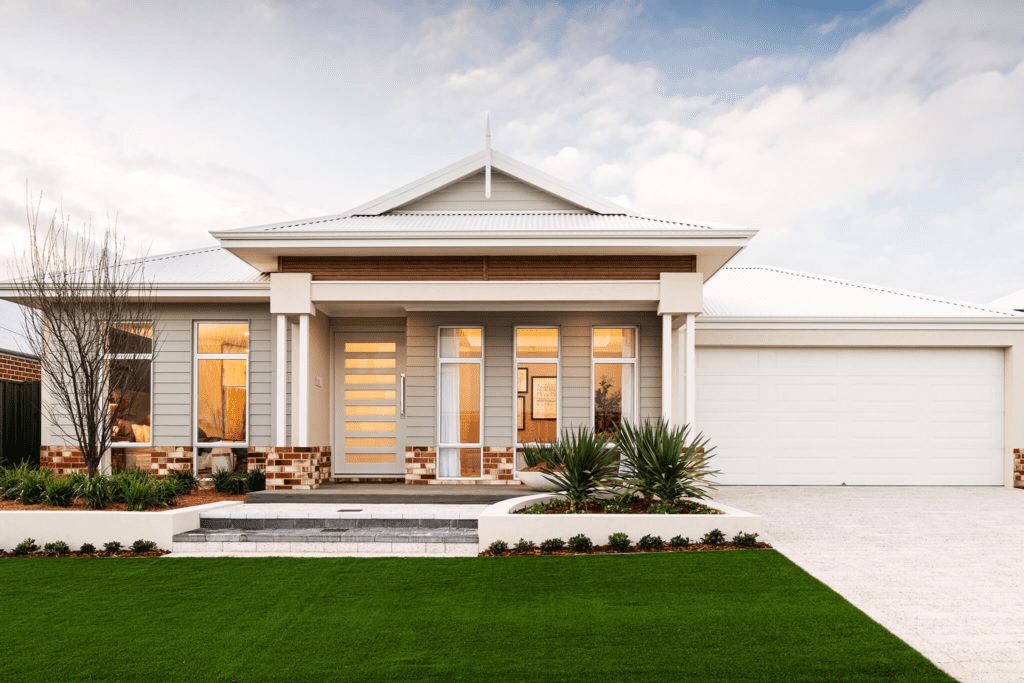
A home is far more than bricks, wood, or paint; it is the environment where people create memories, find comfort, and express their individuality. From interior design choices to functionality, every detail contributes to shaping the way a home feels and operates. The concept of home combines both practical and emotional elements, and understanding these helps create a space that feels complete and fulfilling.
The Meaning of Home
The word home carries deep emotional significance. It represents safety, comfort, and belonging. Unlike a house, which refers only to the physical structure, a home embodies the feeling of warmth and connection. For many, it is the central place to return to after a long day, to rest and recharge.
Emotional Value of a Home
-
A place of comfort and security
-
A reflection of one’s personality and values
-
A space where traditions and memories are built
-
A sanctuary from the demands of daily life
When people talk about going home, they often mean more than just returning to a property. They are returning to a place that resonates with familiarity and belonging.
Elements That Define a Home
A well-rounded home balances aesthetics, functionality, and comfort. These three pillars help turn a property into a truly inviting space.
Comfort
Comfort is at the heart of every home. It involves everything from the softness of furnishings to the warmth of lighting. Soft textures, cosy corners, and a layout that encourages relaxation are key.
Functionality
Practicality matters in any home. Well-organised spaces, efficient use of storage, and easy flow between rooms ensure that daily life runs smoothly. Functionality should never compromise comfort but should enhance it.
Style
Style is what makes each home unique. Whether minimalist, rustic, or modern, the chosen design elements reflect personality and lifestyle preferences. Wall art, colours, and furniture play a huge role in defining the style of a space.
Designing a Comfortable Home
When creating a home that feels both welcoming and practical, design choices matter. The following elements can transform how a space feels.
Lighting
Lighting plays a vital role in creating atmosphere. Natural light brings energy and positivity, while warm artificial lighting adds cosiness in the evenings. Layered lighting with lamps and ceiling fixtures provides flexibility for different moods.
Furniture
Comfortable and well-chosen furniture is the backbone of home design. Pieces should be both functional and stylish, allowing relaxation while enhancing the overall aesthetic.
Colour Schemes
Colours influence emotions. Neutral shades offer calm and versatility, while bold tones add character and vibrancy. The right balance ensures harmony throughout the home.
Textures
Soft fabrics, natural woods, and layered textiles make spaces feel inviting. Rugs, curtains, and cushions contribute to both comfort and style.
The Role of Organisation in a Home
A cluttered home can create stress, while an organised one promotes calm and focus. Storage solutions such as shelving, baskets, and multifunctional furniture help maintain order. Minimalism, when thoughtfully applied, makes a home feel open and breathable.
Tips for Home Organisation
-
Declutter regularly to keep spaces functional
-
Use vertical storage to maximise smaller rooms
-
Invest in multifunctional furniture
-
Keep everyday items accessible but neatly arranged
Outdoor Spaces as Part of the Home
A home is not limited to what is indoors. Outdoor areas extend living space and provide opportunities for relaxation and entertainment.
Gardens and Patios
Gardens bring nature into daily life. They allow for moments of peace, fresh air, and creativity in landscaping. Patios and decks extend living areas into the outdoors, creating perfect spots for social gatherings.
Balconies
Even small balconies can be transformed with plants, seating, and lighting. They provide a retreat in urban environments where outdoor space is limited.
Technology and the Modern Home
Technology plays an ever-growing role in shaping modern homes. Smart devices, from lighting systems to voice assistants, provide convenience and energy efficiency.
Smart Home Features
-
Automated lighting and heating for efficiency
-
Security systems for safety
-
Smart appliances for convenience
-
Voice control for hands-free operation
Technology adds value and makes everyday tasks more manageable, allowing homeowners to focus on enjoying their space.
Building a Personal Connection with Your Home
Personal touches make a house truly feel like home. Family photographs, meaningful objects, and personal artwork bring character and warmth. These items tell stories and strengthen the emotional bond with the space.
Personalisation Ideas
-
Display travel souvenirs or handmade crafts
-
Create gallery walls with art or family pictures
-
Use textiles in favourite colours or patterns
-
Incorporate heirlooms and meaningful furniture
Sustainability in the Home
Sustainability is an increasingly important aspect of home life. From eco-friendly building materials to energy-efficient appliances, making sustainable choices benefits both the household and the planet.
Sustainable Practices
-
Choose energy-efficient lighting and heating
-
Use reclaimed or natural materials for furniture
-
Reduce waste through recycling and composting
-
Incorporate indoor plants to improve air quality
FAQs About Home
How can I make a small home feel bigger?
Use mirrors to reflect light, choose multi-purpose furniture, and keep colour schemes light and airy. Decluttering is especially important in smaller homes.
What makes a home cosy?
Soft lighting, layered textiles like blankets and rugs, and warm colours contribute to cosiness. Scented candles and personal touches also add to the feeling.
How important is natural light in a home?
Natural light is vital for mood, productivity, and overall well-being. Maximising it through large windows, mirrors, or skylights can transform a living space.
Can technology replace traditional comfort in homes?
Technology enhances comfort but cannot replace the emotional and personal elements that make a home truly inviting. Both should work together to improve quality of life.
What is the difference between a house and a home?
A house is a physical structure, while a home carries emotional value, representing comfort, safety, and belonging.
