
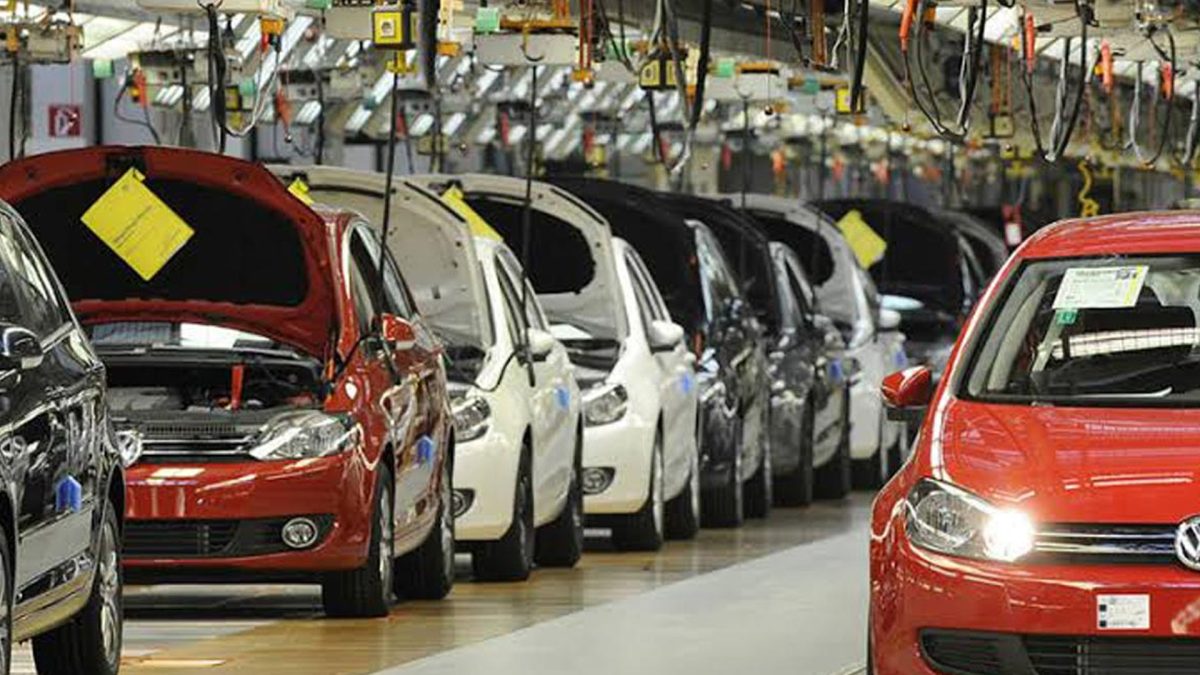
The auto industry has been at the heart of modern civilisation for more than a century. It has shaped how we travel, transformed cities, boosted economies, and created millions of jobs. From the invention of the combustion engine to the rise of electric and autonomous vehicles, the journey of the automobile has been nothing short of revolutionary. Understanding the past, present, and future of the auto industry provides valuable insight into technology, society, and the global economy.
The Birth of the Automobile
The story of the auto industry began in the late 19th century when inventors experimented with steam and electric vehicles before the internal combustion engine became dominant. Karl Benz is often credited with creating the first practical motor car in 1886. Soon after, innovators across Europe and the United States began refining designs, focusing on reliability and affordability.
Early Developments
-
Steam-powered vehicles existed as early as the 18th century but were impractical for widespread use.
-
Electric vehicles gained popularity in the late 1800s, particularly in cities where smooth and silent rides were valued.
-
Internal combustion engines became the standard due to their efficiency, range, and adaptability to long-distance travel.
The Rise of Mass Production
The early 20th century marked the true transformation of the auto industry. While many companies produced cars, they were expensive and catered to wealthy individuals. It was Henry Ford who revolutionised the sector with mass production techniques.
The Ford Model T
-
Introduced in 1908, the Model T was affordable, reliable, and easy to maintain.
-
Ford’s assembly line method drastically reduced production time and costs.
-
This innovation made car ownership accessible to the middle class, changing transport forever.
Automobiles and Society
The growth of the auto industry reshaped society in profound ways.
Economic Impact
-
Creation of millions of jobs in manufacturing, sales, and infrastructure.
-
Growth of supporting industries such as steel, rubber, oil, and glass.
-
Rise of suburban living as cars enabled people to commute from outside city centres.
Cultural Transformation
-
Cars became symbols of freedom, status, and personal identity.
-
Road trips and tourism industries flourished.
-
Music, films, and advertising began to use automobiles as cultural icons.
Post-War Boom and Global Expansion
After World War II, the auto industry entered a golden age. Car production surged worldwide, with different regions carving their identities.
-
United States: Large, powerful vehicles dominated the market.
-
Europe: Smaller, fuel-efficient models became popular due to narrower roads and higher fuel costs.
-
Japan: Known for efficiency and reliability, Japanese automakers rose to global prominence by the 1970s.
This era also saw the creation of motorways and highways, reinforcing the car as the primary mode of transport.
Technological Advances in the Auto Industry
From the 1980s onward, technology became the driving force of innovation.
Safety Features
-
Seatbelts, airbags, and crumple zones became standard.
-
Anti-lock braking systems (ABS) and electronic stability control improved road safety.
Fuel Efficiency and Emissions
-
Catalytic converters and stricter regulations helped reduce pollution.
-
Hybrid technology introduced a blend of petrol and electric power.
Digital Integration
-
Satellite navigation, Bluetooth, and infotainment systems became common.
-
Driver assistance technologies such as adaptive cruise control and lane-keeping aids emerged.
The Electric Revolution
One of the biggest shifts in the auto industry has been the rapid growth of electric vehicles (EVs). Concerns over climate change, government regulations, and advances in battery technology have accelerated this transformation.
Key Benefits of EVs
-
Zero tailpipe emissions, reducing urban pollution.
-
Lower running costs compared to petrol or diesel vehicles.
-
Quieter, smoother driving experience.
Challenges Facing EVs
-
Limited charging infrastructure in some regions.
-
Higher initial purchase costs compared to traditional cars.
-
Battery recycling and resource sustainability issues.
The Future: Autonomous and Connected Cars
The next frontier for the auto industry lies in autonomous driving and connected technologies. Cars are becoming smarter, safer, and more efficient, with artificial intelligence and sensors playing a central role.
Autonomous Vehicles
-
Self-driving cars aim to reduce accidents caused by human error.
-
Could transform logistics, ride-hailing, and urban planning.
-
Regulatory frameworks and public trust remain hurdles.
Connected Cars
-
Vehicles now integrate with smartphones and smart cities.
-
Real-time updates on traffic, weather, and hazards enhance safety.
-
Vehicle-to-vehicle communication promises smoother, more efficient roads.
Environmental Responsibility
Sustainability has become a crucial focus for the auto industry. Companies are investing in cleaner technologies, renewable materials, and circular economy practices.
-
Development of hydrogen fuel cell vehicles.
-
Use of recycled plastics and sustainable fabrics in interiors.
-
Investment in carbon-neutral manufacturing plants.
FAQs about the Auto Industry
What is the biggest challenge facing the auto industry today?
The industry faces a balancing act between innovation and regulation. Meeting emissions targets, ensuring affordability, and developing infrastructure for electric and autonomous vehicles are key hurdles.
Will petrol and diesel cars disappear completely?
While sales of new petrol and diesel vehicles are expected to decline in the coming decades, they will not vanish overnight. Transition depends on government policies, consumer adoption of EVs, and advancements in technology.
How do autonomous vehicles affect employment?
Self-driving technology could disrupt jobs in transport, logistics, and delivery. However, it may also create new opportunities in software development, data management, and infrastructure design.
Why are electric vehicle batteries controversial?
Batteries rely on rare earth minerals such as lithium and cobalt, which raise environmental and ethical concerns related to mining. Recycling and alternative materials are being developed to address these issues.
Are hybrid cars still relevant?
Yes, hybrids provide a transitional solution for drivers who want improved fuel efficiency but may not yet have access to sufficient EV charging infrastructure.
