
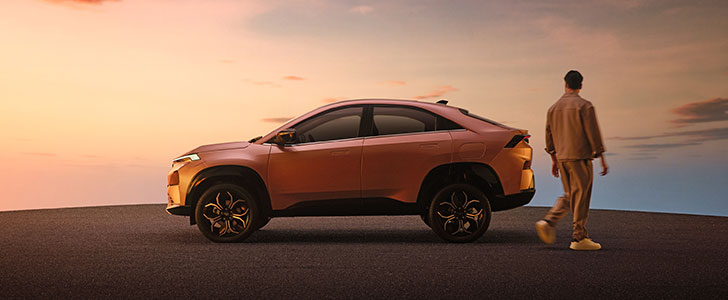
The word auto has long been synonymous with progress, mobility, and personal freedom. Cars have shaped societies, transformed economies, and redefined travel. Whether you are a daily driver, an aspiring car enthusiast, or simply curious about the evolution of the automobile industry, understanding the world of autos offers valuable insight into one of the most influential inventions of modern times.
The Evolution of the Automobile
The history of the automobile is a fascinating journey of innovation. In the late 19th century, pioneers introduced the first self-propelled vehicles powered by steam and electricity. However, it was the invention of the petrol-powered internal combustion engine that truly revolutionised transport.
From the first motorcars produced in limited numbers to mass production led by Henry Ford, the auto industry rapidly expanded, making vehicles affordable to the middle class. Over the decades, designs shifted from purely functional machines to stylish symbols of status and culture.
Key Milestones in Auto History
-
1886: Karl Benz patented the first automobile powered by a petrol engine.
-
1908: The Ford Model T introduced affordable mass production.
-
1950s-1960s: Cars became cultural icons, with muscle cars, sports cars, and luxury saloons.
-
21st century: Hybrid and electric vehicles emerged as the future of sustainable transport.
Types of Automobiles
Autos today are available in a wide range of categories, each serving different needs and lifestyles. The diversity makes them suitable for city commuting, family travel, or high-performance experiences.
Passenger Vehicles
These include hatchbacks, saloons, and SUVs. They prioritise comfort, fuel efficiency, and safety, making them the most common type of automobile worldwide.
Commercial Vehicles
Lorries, vans, and buses fall into this category. They form the backbone of trade and logistics, transporting goods and people efficiently.
Electric and Hybrid Vehicles
With growing awareness of climate change, electric and hybrid autos are becoming increasingly popular. They offer lower emissions, reduced running costs, and the potential for cleaner cities.
Luxury and Performance Cars
These vehicles are designed for prestige, speed, and innovation. Equipped with cutting-edge technology, they showcase the height of automotive engineering.
The Role of Technology in Modern Autos
The auto industry has always embraced innovation. In recent decades, technology has transformed cars from simple machines into intelligent, connected devices.
Advanced Safety Features
Modern cars now come with:
-
Adaptive cruise control
-
Lane-keeping assistance
-
Automatic emergency braking
-
Blind-spot monitoring
These features have drastically reduced accidents and enhanced driver confidence.
Infotainment and Connectivity
Autos now integrate smartphones, voice assistants, and navigation systems. Drivers can access music, calls, and real-time traffic updates without distractions.
Autonomous Driving
Self-driving technology is advancing quickly. While fully autonomous cars are still in development, many vehicles already offer semi-autonomous features such as self-parking and highway autopilot.
Environmental Impact and Sustainability
The environmental footprint of automobiles has been a global concern. Traditional petrol and diesel vehicles emit greenhouse gases and contribute to air pollution. To address this, governments and manufacturers are pushing for greener alternatives.
Electric Mobility
Electric autos are at the forefront of sustainable transport. With zero tailpipe emissions and lower maintenance needs, they represent a major shift in how societies approach mobility.
Hydrogen and Biofuels
Beyond electric power, hydrogen fuel cells and biofuels are also being explored. These alternatives aim to provide energy-dense, eco-friendly solutions for the auto industry.
The Economics of the Auto Industry
The automobile sector is one of the largest in the world, contributing significantly to national economies. It supports millions of jobs across manufacturing, sales, maintenance, and fuel industries.
Ownership Costs
Owning a car involves:
-
Purchase price or finance agreements
-
Insurance premiums
-
Fuel and energy costs
-
Maintenance and repairs
-
Taxes and registration
Understanding these costs helps consumers make informed decisions when choosing the right vehicle.
How to Choose the Right Auto
Selecting the right automobile depends on lifestyle, budget, and preferences. Here are some considerations:
-
Purpose: Daily commuting, family travel, or business use
-
Budget: Initial cost vs. long-term expenses
-
Fuel type: Petrol, diesel, hybrid, or electric
-
Features: Safety, technology, and comfort
-
Resale value: Some models hold value better than others
Future of the Automobile Industry
The future of autos is shaped by sustainability, connectivity, and changing consumer needs. Shared mobility, such as car-sharing services, is reducing the reliance on private ownership. Meanwhile, global efforts to cut carbon emissions are accelerating the adoption of electric and renewable-powered vehicles.
Key Trends to Watch
-
Expansion of charging infrastructure
-
Growth of smart cities and connected transport
-
Stricter environmental regulations
-
Development of autonomous ride-hailing services
FAQs About Automobiles
What is the average lifespan of an automobile?
Most modern cars last between 12 and 15 years or around 150,000 to 200,000 miles with proper maintenance.
Is it cheaper to own an electric car compared to a petrol one?
While electric autos often have higher upfront costs, they usually have lower running expenses due to cheaper electricity, fewer moving parts, and reduced maintenance needs.
How often should I service my auto?
Most manufacturers recommend servicing every 12 months or every 10,000–12,000 miles, whichever comes first.
Do electric vehicles perform well in cold climates?
Yes, though range may be slightly reduced in colder conditions. Modern EVs are designed with battery thermal management systems to improve performance in varying temperatures.
Can I still drive petrol cars in the future?
Yes, but many countries plan to restrict or phase out the sale of new petrol and diesel cars over the next two decades, making alternative fuel vehicles the dominant choice.
